Good Luck, Sailor
Most teachers don't leave because they're bad at the job. They leave because they're doing it alone. On isolation, community, and who builds the harbor.
That's what they used to say.
Hand you a textbook. Point you to a room. Maybe tell you where the copier is, if you're lucky.
Then close the door.
For decades, that was the onboarding experience for new teachers. One room. Four walls. Sink or swim. Figure it out. The veterans next door had their own problems. The administrator had a school to run. You had thirty kids staring at you, waiting to see what you'd do next.
Most of them didn't make it.
Not because they were bad at the job. Not because they didn't care — they cared enormously, which is usually why they chose teaching in the first place. They left because caring enormously while doing it completely alone is not a sustainable human experience.
It turns out isolation is the enemy. Not the curriculum. Not the kids. Not even the administration. Isolation.
The teachers who stay — the ones who build 20, 30, 33-year careers — almost all of them have the same thing in common. People. A colleague who checked in. A mentor who showed them the ropes. A community that said we're figuring this out together.
The system was never designed to provide that. The system was designed to hand you a textbook.
So the question isn't whether teachers need community. They do. The research is clear, the anecdotes are overwhelming, and anyone who's spent time in a school building already knows it in their bones.
The question is whether you're going to wait for the system to build it for you.
It won't.
The rising tide lifts all boats — but someone has to decide to build the harbor.
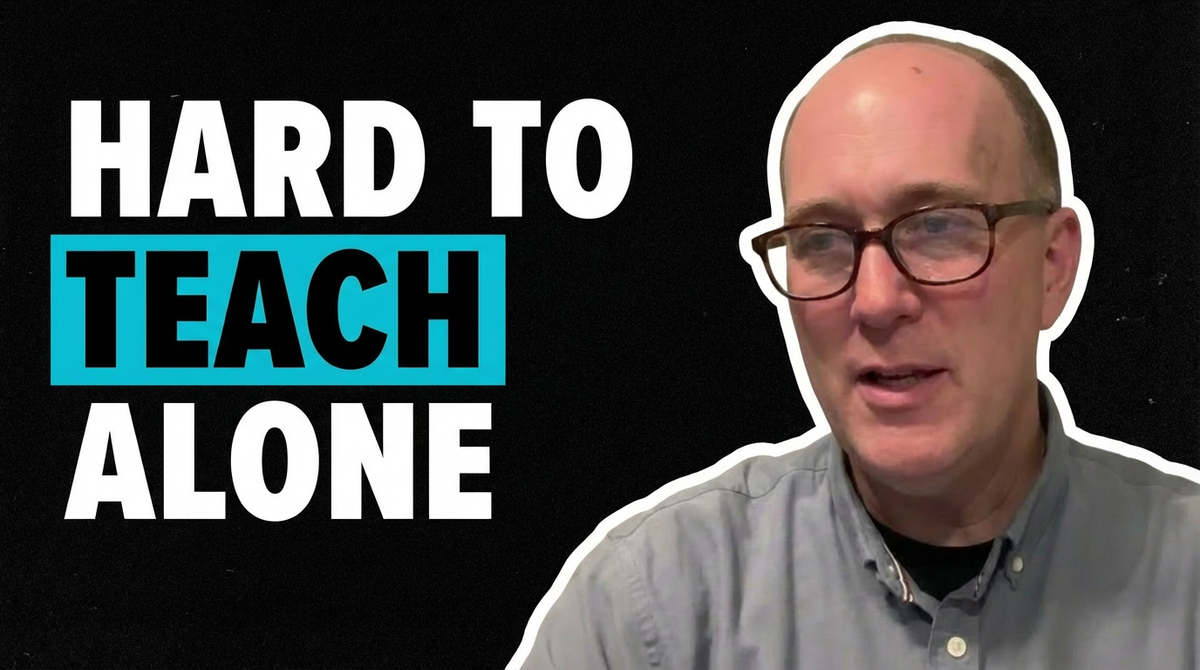
It's hard to teach alone.
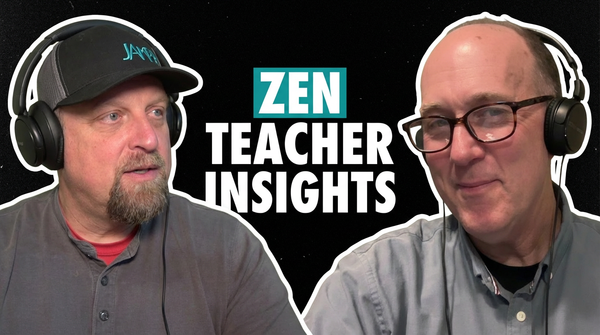
Dan Tricarico has been teaching in the same classroom for 33 years. We talked about isolation, community, and what actually keeps good teachers in the profession. Listen here.
Strong Teacher Pep Talk Playlist