
The Superintendent Call You Won't Make
When the superintendent cancels school, you rest without question. But when the decision is yours? Here's how to give yourself that same permission.

When the superintendent cancels school, you rest without question. But when the decision is yours? Here's how to give yourself that same permission.

Here’s the truth: You don’t need to fix everything. You need to fix the right things.
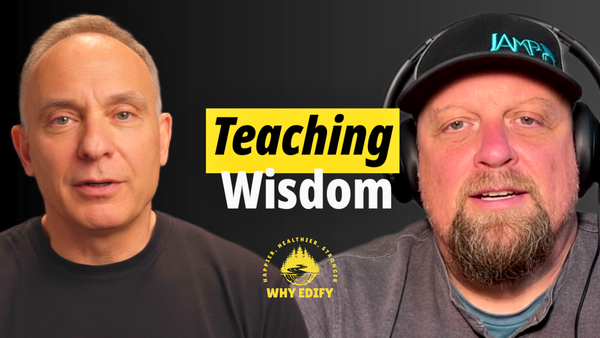
What separates teachers who burn out from those who thrive for decades? A veteran educator shares what really matters.

You don’t need new curriculum. You don’t need to reinvent your lessons from scratch. You don’t need to become a more entertaining teacher.

Curiosity isn't a luxury—it's a sustainability tool. Discover why the teachers who burn out stopped wondering and how to practice curiosity this week.
What kind of people are your students becoming?

Martin Luther King Jr. understood something about education that we're still trying to remember.

A ruck reflection on letting go of what isn't working
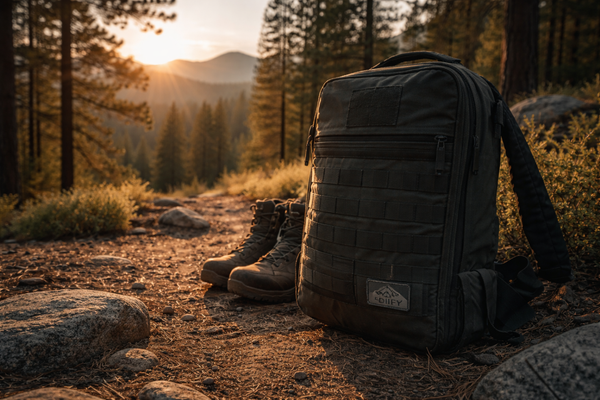
Discover why rucking—walking with a weighted backpack—builds cardiovascular fitness, strengthens your back, and improves mental health. No gym required.

The instinct is to crack down harder—stricter consequences, more public call-outs, tighter control. But that approach exhausts you without solving the problem. You're managing behavior reactively rather than proactively fixing the system. There's a better way.

The truth: January doesn't have to feel this hard. But it requires acknowledging reality and planning accordingly.

Teacher burnout peaks in mid-January when perfectionism meets reality. Discover the Stoic practice of Amor Fati and how to hold standards without shame.