
Do One Scary Thing
Why I keep running hands-on labs even when they go sideways — and 10 ways teachers can scare themselves this month.
Why I keep running hands-on labs even when they go sideways — and 10 ways teachers can scare themselves this month.
Teacher self-care advice usually means a beach chair. This teacher's summer recovery looked more like a float plane, a leaky tent, and a 70-mile bike ride — six real adventures, no highlight reel.

A 70-mile bike ride taught me why 'have a good year' isn't a goal — and what actually works for teachers.

A STRONG Teacher take on rest, engagement, and refilling the well.
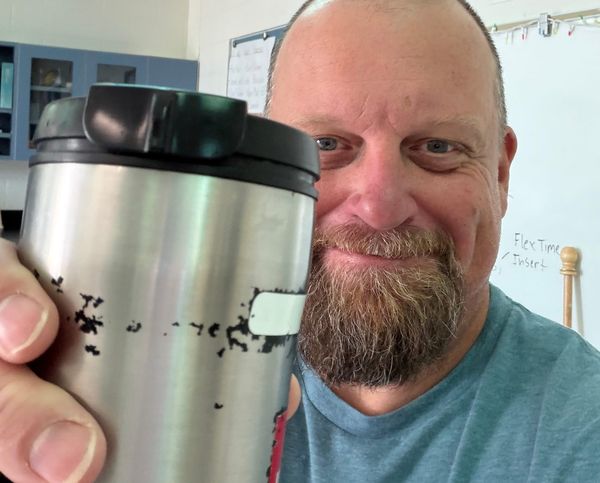
Thoughts at the beginning of my 28th year teaching.

Interactive notebooks aren't outdated — they're more valuable than ever. Here's why paper still matters in AI-driven classrooms, plus free templates and rubrics.
A meet-and-greet moment went sideways this week. Here's what I learned about owning it, repairing it, and letting it go — plus this week's journaling prompt.

You don't owe anyone a yes just because it was easier to give. A short reflection on boundaries for teachers.

One Time, One Meeting
Losing longtime teaching partners to retirement was harder than I expected. A reflection on rebuilding a team, and finding my groove again.

Why does teacher burnout always come back? The hedonic treadmill explains it — and here are 3 ways to actually slow it down.

Watch out for the hedonic treadmill.

STRONG Teacher Newsletter
Before you overhaul your whole classroom — read this. One well-crafted system is enough.
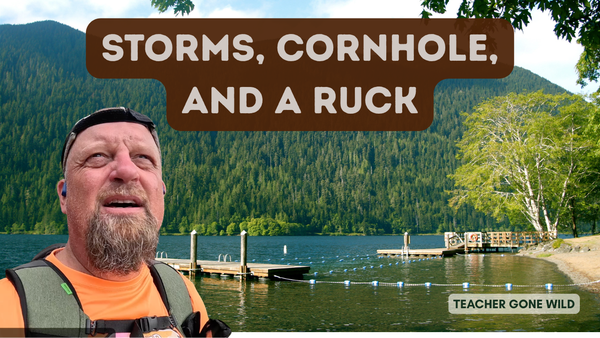
Teacher Gone Wild
Money spent reconnecting with people you love isn't an expense. It's an investment — in rest, in memory, in the version of you that isn't checking email at a lake.

STRONG Teacher Newsletter
This is how you begin again.

STRONG Teacher Newsletter
Before you go back, do this.

STRONG Teacher Newsletter
You've been busy. But busy doing what?

STRONG Teacher Newsletter
Emotions don't disappear. They wait.

STRONG Teacher Newsletter
Fuel yourself like you matter.

Teaching
Student behavior isn't what it was 10 years ago. A 26-year teacher breaks down what changed, why it's not your fault, and what actually helps.

STRONG Teacher Newsletter
What if exercise wasn't the point?

Teacher Gone Wild
Teacher Gone Wild: Oregon Road Trip for Dad's 81st Birthday | Why Edify

STRONG Teacher Newsletter
Your classroom is empty. Your mind isn't.

STRONG Teacher Newsletter
The first step isn't action.