The STRONG Teacher Way
Why building better systems increases teacher resilience.

Greetings from the roller coaster ride, which I’ll affectionately refer to as The Month of May 😜. Some of my students are at their peak and doing amazing things, while others have decided they should start their summer early.
It’s the perfect month to lean into energy and to try something new, while also letting go of any thoughts of perfectionism.
On a personal note, I just turned 52 this past weekend. Here’s what was on my mind as I contemplated how in the world I got to be that old.
New rule of thumb...Live today so that tomorrow you have a good story to tell.
It would be a wonderful birthday gift if you shared this newsletter with a colleague or on your social media channel of choice (tag me if you do).
Here's a quote, a resource, a book, and an affirmation to help power you through the rest of the week.
QUOTE
"You do not rise to the level of your goals. You fall to the level of your systems." — James Clear
RESOURCE
One Percent. That's It.
At some point in the last few years, you probably tried to overhaul something. Your grading system. Your planning process. Your morning routine. You built the new version — detailed, thorough, better in every way — and it lasted about two weeks before the old version came back and the new version became a document you feel mildly guilty about every time you see it.
That's not a discipline problem. That's a design problem.
The O in STRONG stands for Optimize — and it's borrowed directly from Kaizen, the Japanese philosophy of continuous, incremental improvement. I like to call this "The STRONG Teacher Way."
The principle is simple: small, consistent changes compound over time in ways that dramatic overhauls almost never do. Not because big changes are bad, but because they require a level of sustained energy that teaching rarely leaves room for.
One percent better. Not one hundred. One.
I decided to focus on paper management this year, the flow of current and late/missing work. Also, focusing on consistent intervals to grade in batches has started to pay off with some time savings. Small changes over time add up.
Try it this week — the O practice:
Pick one thing — one routine, one system, one recurring task — that costs you more energy than it should. Don't rebuild it. Just find one small friction point and remove it.
- Could the transition between your first and second period be 90 seconds smoother if you changed where materials are stored?
- Could your email responses be faster if you kept three template responses for the messages you type from scratch every week?
- Could your end-of-day shutdown take four minutes instead of fifteen if you kept a single running list instead of five?
One change. This week. That's the whole practice.
The research on habit formation is consistent: smaller changes have higher completion rates, build more confidence, and are more likely to stick — meaning they're more likely to actually change something. Willpower is finite. Systems are not. Build the system small enough to survive a hard Tuesday.
 Jeremy Jorgensen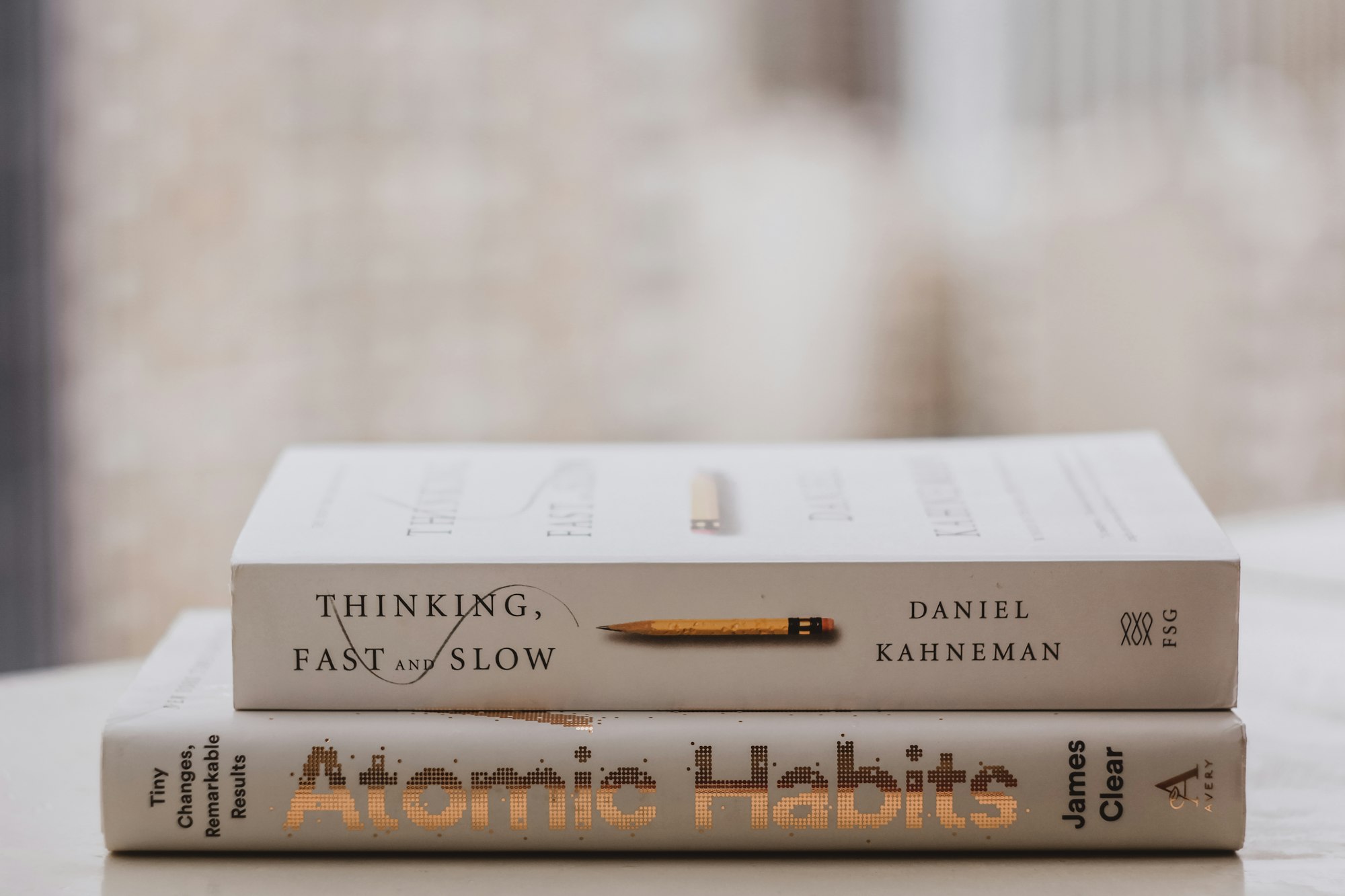
 Jeremy Jorgensen
 Jeremy Jorgensen
Here’s what CORE members got this past week: May and the Beautiful Chaos - a member-only resource to help teachers navigate some of the specific challenges in May.
BOOK
The Checklist Manifesto by Atul Gawande
Gawande is a surgeon who became obsessed with one question: why do smart, experienced professionals keep making the same preventable mistakes? His answer — the checklist — sounds almost insultingly simple until you read the evidence behind it. For teachers drowning in cognitive load, this book reframes systems not as rigidity but as liberation. When the routine stuff is handled, your brain is free for the work that actually requires you. Check it out.
As an Amazon Associate, I earn from qualifying purchases. Your purchases through these links help support this newsletter at no extra cost to you. Thank you.
WORTH YOUR TIME
- Those last few weeks of school are some of the longest of the year.
- What's the right way to use guided notes?
- Long live recess.
- Put your directions on repeat.
AFFIRMATION
I don't need to fix everything — I need to improve one thing, and that is enough for today.
Stay STRONG, Jeremy
Strong Teacher Pep Talk Playlist